
Spirituality
Where the brain processes spiritual experiences
Yale scientists have identified a possible neurobiological home for the spiritual experience — the sense of connection to something greater than oneself, news.yale.edu reported. Paranormal Country has not confirmed it.
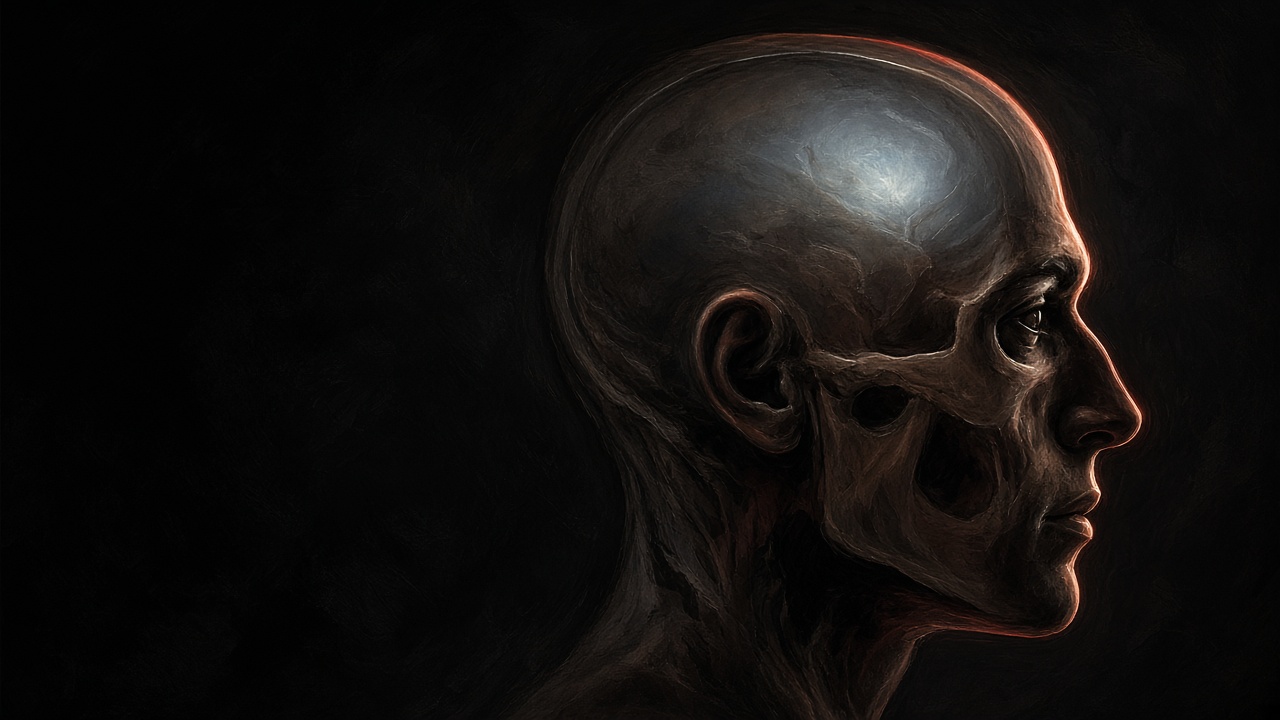
Recent research from Yale University has shed light on the neurobiological underpinnings of spiritual experiences, suggesting a specific area of the brain may play a crucial role in how individuals connect with something greater than themselves. This study, published in the journal Cerebral Cortex, highlights the parietal cortex as a significant player in the processing of these profound experiences.
The parietal cortex is known for its involvement in self-awareness and attention processing. According to Marc Potenza, a professor of psychiatry and neuroscience at Yale, understanding the neural mechanisms behind spiritual experiences could enhance our comprehension of their effects on mental health and recovery from addiction. Potenza noted, "Spiritual experiences are robust states that may have profound impacts on people’s lives."
The research team, in collaboration with the Spirituality Mind Body Institute at Columbia University, conducted interviews with 27 young adults to gather insights into their spiritual experiences, which ranged from religious moments to feelings of oneness with nature or even the sensation of losing oneself during athletic activities. Following these interviews, participants underwent functional magnetic resonance imaging (fMRI) scans while listening to recordings that reflected their personalized experiences.
While the study presents intriguing findings regarding the brain's role in spiritual experiences, it is important to approach these claims with caution. Paranormal Country has not confirmed the specifics of this research, and further investigation is needed to fully understand the implications of these findings.
The intersection of neuroscience and spirituality has long been a topic of interest, with many researchers exploring how brain activity correlates with various spiritual states. The identification of the parietal cortex as a potential home for these experiences adds a new layer to this ongoing discourse, suggesting that our understanding of spirituality may be grounded in biological processes.
As the study indicates, spiritual experiences can vary widely among individuals, encompassing both religious and secular moments of connection. This diversity highlights the complexity of the human experience and the various ways people seek meaning in their lives. The implications of these findings could extend beyond academic interest, potentially informing therapeutic approaches for mental health and addiction recovery.
In conclusion, while the Yale study offers a glimpse into the neurobiological aspects of spiritual experiences, the broader implications and applications of this research remain to be fully explored. As scientists continue to investigate the links between brain function and spirituality, the dialogue surrounding these topics will likely evolve, inviting further inquiry into the nature of human consciousness and its relationship with the transcendent.
Image: Paranormal Country · Source: news.yale.edu